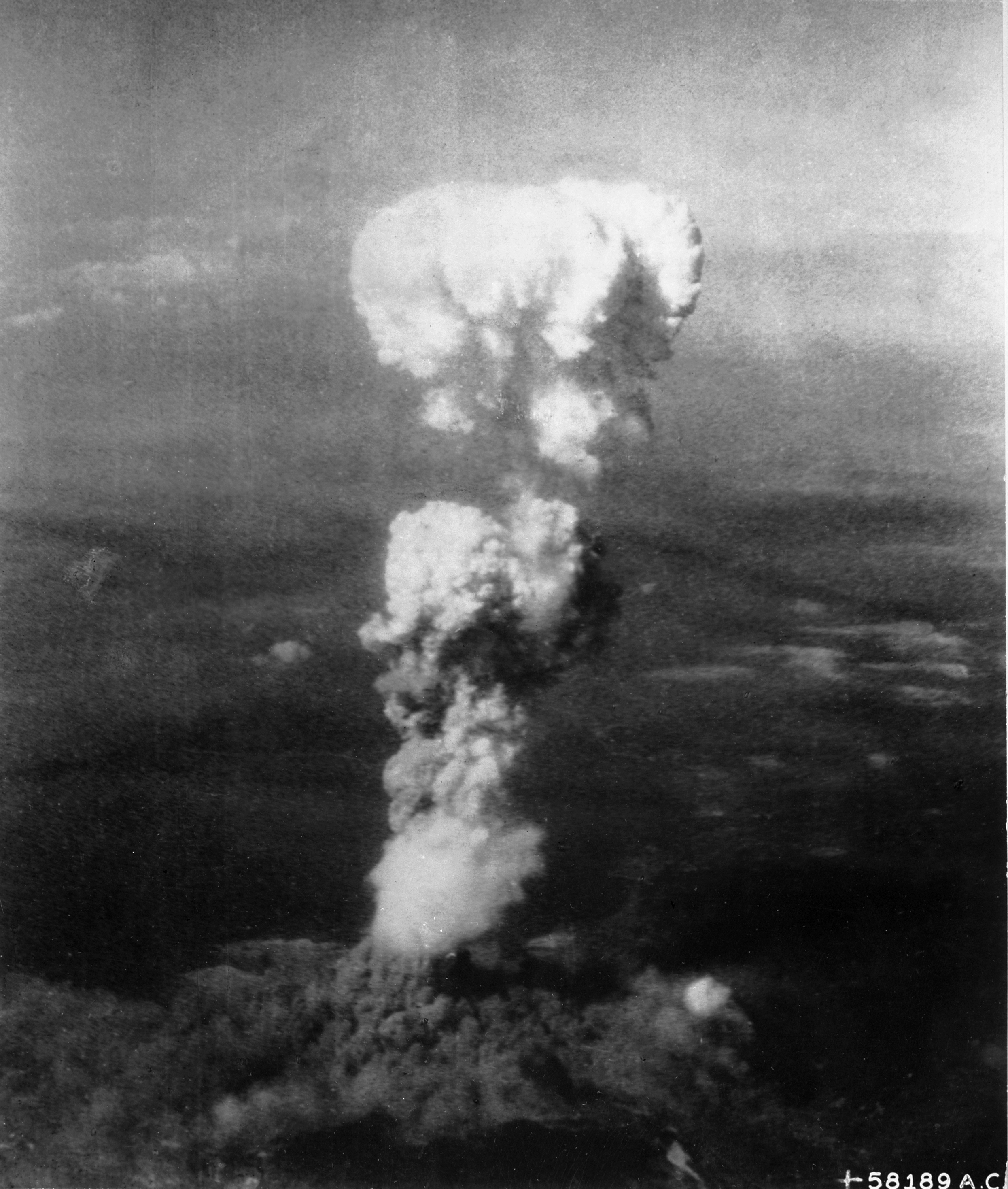
Nuclear weapons were symbols of military and national power, and nuclear testing was often used both to test new designs as well as to send political messages. Other nations also developed nuclear weapons during this time, including the United Kingdom, France, and China. These five members of the "nuclear club" agreed to attempt to limit the spread of nuclear proliferation to other nations, though four other countries (India, South Africa, Pakistan, and Israel) developed or acquired nuclear arms during this time. At the end of the Cold War in the early 1990s, the Russian Federation inherited the weapons of the former USSR, and along with the U.S., pledged to reduce their stockpile for increased international safety. Nuclear proliferation has continued, though, with Pakistan testing their first weapons in 1998, and North Korea performing a test in 2006. In January 2005, Pakistani metallurgist Abdul Qadeer Khan confessed to selling nuclear technology and information of nuclear weapons to Iran, Libya, and North Korea in a massive, international proliferation ring. On October 9, 2006, North Korea claimed it had conducted an underground nuclear test, though the very small apparent yield of the blast has led many to conclude that it was not fully successful (see 2006 North Korean nuclear test). Additionally, since 9/11 increased attention has been given to the threat of nuclear terrorism, whereby non-state actors manage to develop, purchase, or steal nuclear arms and detonate them against civilians. Post-Cold War discussions of nuclear weapons have focused on the fact that the "rationality" of nuclear deterrence, credited with the lack of use of nuclear weapons during the Cold War, may not apply in a world with only one superpower, or a world where the nuclear actors are stateless.


